
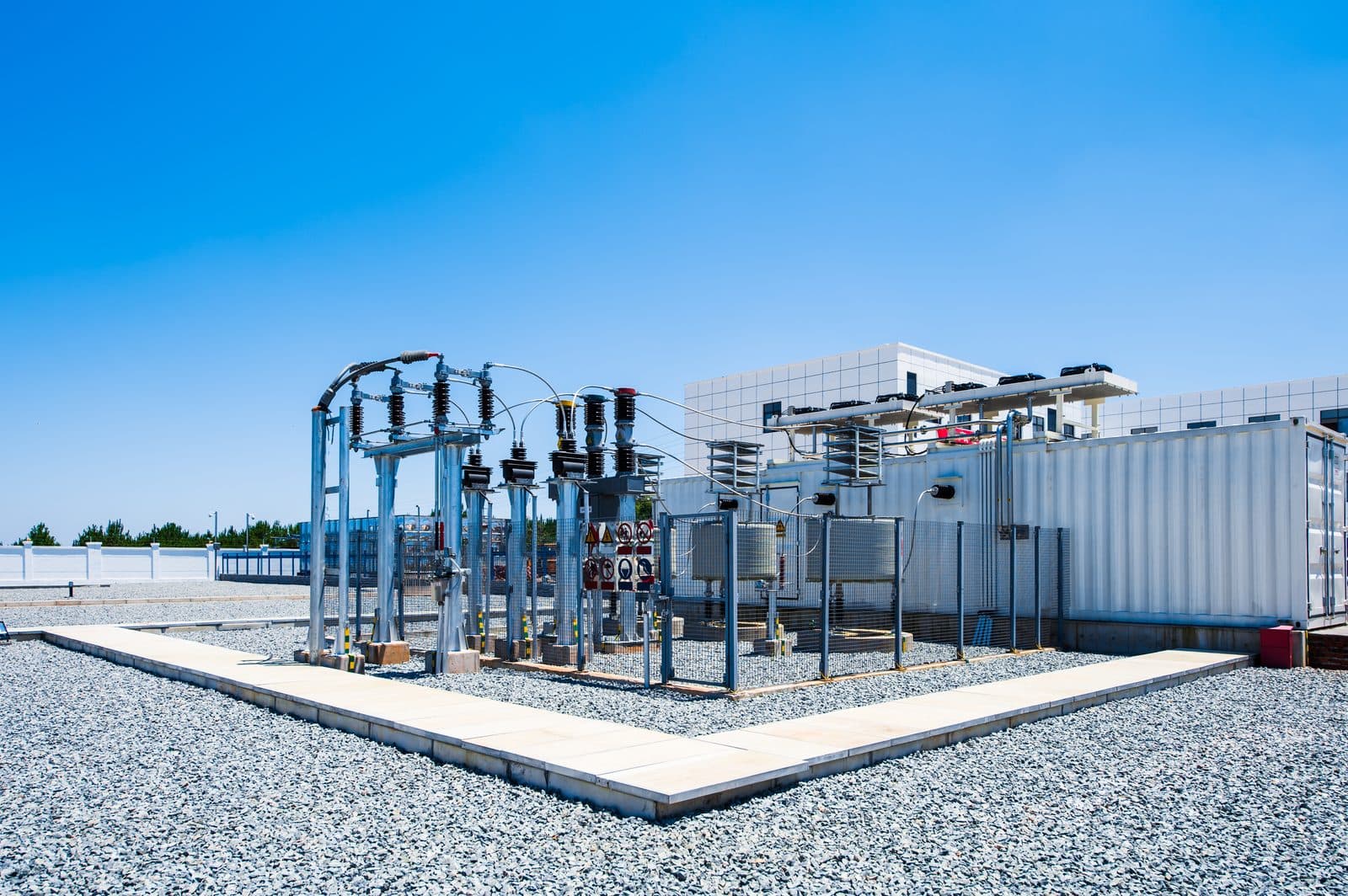
Transformer scrap value: what drives it.
Four materials, one market that moves daily, and a short list of questions to ask before you accept anybody's number.
Get a range on your unitScrap is the floor, not the ceiling.
Before anything else: find out whether your unit still tests. A transformer that passes turns ratio, winding resistance, and insulation resistance has a resale market, and that market pays more than the metal does. Scrapping a testable unit is the most common way a seller leaves money on the table.
So the order matters. We test first on anything worth testing, and we only price as scrap when the unit has failed, when the specification has no buyers, or when the freight to move it whole costs more than the resale gains. Every offer we send says which of those it is.
That said, scrap value is a real floor and it is worth understanding, because it is the number under every other number. If you know roughly what the metal is worth, you can tell a fair offer from a bad one in about thirty seconds.
What is actually in there, in value order.
| Copper winding | The highest value material in the unit by a wide margin. Recovered clean, it sets the number. |
|---|---|
| Aluminum winding | Common on utility distribution units built from the 1970s on. Real value, well below copper. |
| Core steel | Grain oriented electrical steel. Sells as its own grade, above common steel, below the windings. |
| Tank and radiators | Mild steel. Heavy, low value per pound, and most of what you are looking at. |
| Mineral oil | Value if it is clean and testable. A cost line if it is contaminated or unknown. |
| Bushings and porcelain | No recovery value. Handling and disposal only. |
| Tap changer and hardware | Occasional value as parts on the right unit. Usually rolled into the steel. |
The thing most people get wrong is weight. A transformer is mostly tank and mostly steel, and steel is the cheapest thing in it. The windings are a modest fraction of the total weight and most of the value. Two units of identical weight can be worth very different money depending on what is wound around the core.
That is the copper and aluminum question, and it is the single biggest variable in a scrap number. Copper is worth multiples of aluminum per pound. Utility distribution units built from the 1970s onward frequently use aluminum windings, which is why age and manufacturer matter even on a scrap quote.
Core steel sits in between. It is grain oriented electrical steel, a specific grade with its own market, and it recovers better than the tank does. The tank, the radiators, and the cabinet are common steel: heavy, worth having, worth very little per pound.
Why we quote a range and hold to it.
Three things move between the photo and the truck.
The metal market. Copper and aluminum are exchange traded and they move daily. A firm number quoted three weeks out is either padded to protect the buyer or it is going to change.
The weight basis. Nameplate weight includes oil. Recovered metal weight does not. Anybody quoting per pound without stating which they mean is quoting a number you cannot check.
The fluid. On a pre-1980 liquid filled unit, the lab result changes the handling cost. Read the PCB page if that is your unit.
So we give you a range with the assumptions written next to it, and a firm number once the unit is inspected or the results are in. If the firm number lands below the range, we tell you why before anything moves, and you can say no.
Seven questions to ask any scrap buyer.
Including us. A buyer who cannot answer these plainly is quoting you a headline, not a price.
| Per pound or per unit? | A per pound number means nothing until you know the weight basis. |
|---|---|
| Gross or net weight? | Gross includes oil and porcelain you are not being paid for. |
| Who pays freight? | A higher per pound price with freight on you is often the lower net number. |
| Who pays rigging? | Crane and lowboy work on substation gear is not a rounding error. |
| Who takes the oil? | If the answer is vague, that cost is coming back to you later. |
| Firm or subject to inspection? | Both are legitimate. A number that changes on arrival with no explanation is not. |
| Is the fluid tested? | On a pre-1980 unit, a firm scrap price without a lab result is a guess. |
The freight question catches more people than the price question. A higher per pound rate with transport and rigging on your side routinely nets less than a lower rate with the truck included. Ask what lands in your account, not what the metal is worth in theory.
Common questions.
Because the honest answer depends on metal markets that move daily, on whether the windings are copper or aluminum, and on a weight we have not verified. A number given before those three are known is a number that gets revised at the truck, and that is how sellers get burned.
Almost always, when the unit still tests. A working 1000 kVA padmount has a resale market. The same unit as scrap is worth its metal. That gap is the reason we test before we scrap anything worth testing.
The nameplate sometimes says. If it does not, age and manufacturer are a strong signal, and utility distribution units built from the 1970s onward are frequently aluminum. We confirm it at teardown, and the offer says which assumption it is based on.
We process the unit where it stands instead of trucking it whole. It wins when the unit is too far gone to resell, too heavy for economical freight, or in a location where getting a truck to it costs more than the metal is worth.
Yes. A failed unit is a scrap unit, not a worthless one. The copper or aluminum did not stop being metal because the winding shorted.
Visually clean oil is a good sign and not a result. Clean oil that passes a screen is a small credit. Unknown oil on an older unit is a sampling step before any firm number.