
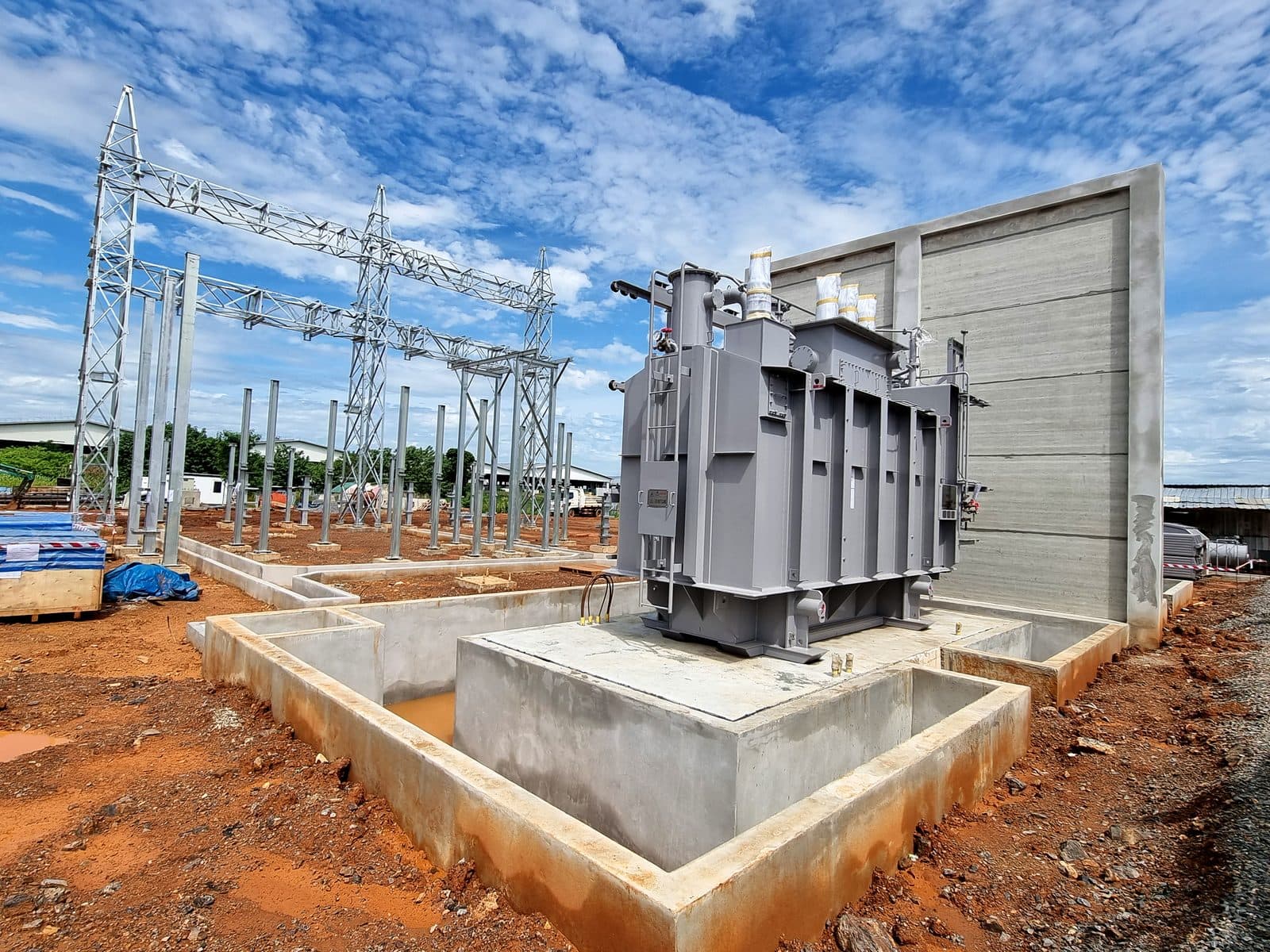
Photo to payment in six steps.
No auction, no listing fees, no waiting for a buyer. We are the buyer. Here is exactly what happens between your first photo and the wire.
Start with three photos- 01Send three photos and a ZIP code
Nameplate, open cabinet, exterior. Phone camera is fine. If the nameplate is gone, send the other two and whatever you know. Takes about 4 minutes and creates a lead we can call back on even if you stop halfway.
- 02We read the nameplate and reply
kVA, primary, secondary, phase, year, oil type, manufacturer. That is most of the offer. We reply during business hours by whatever contact method you picked: text, call, or email.
- 03You get a written offer
A range if the unit needs testing before we can commit. A firm number after TTR, Megger, winding resistance, and an oil screen. Offers are subject to inspection and testing. No number is final until we have seen the unit or the results.
- 04We schedule freight and rigging
Flatbed for most distribution units. Lowboy or crane for substation gear. We book it, we pay for it, it is already in the offer. Tell us if the unit is truck accessible or needs rigging.
- 05Pickup and paperwork
Bill of lading, chain of custody, and PCB documentation for your environmental file. Utilities get a manifest with manufacturer, serial, and your company number per unit.
- 06You get paid
Wire or ACH within 3 business days of a passed inspection and test. New surplus still on the skid can move faster.
The test sheet is the offer.
A range becomes a firm number when the results come back. You get a copy of the sheet even if you do not sell to us.
| TTR | Turns ratio. Confirms the nameplate voltages and catches shorted turns. |
|---|---|
| Winding resistance | Finds bad connections and open windings. |
| Megger | Insulation resistance, winding to ground and winding to winding. |
| Oil screen | Dielectric, moisture, acidity on liquid-filled units. |
| DGA | Dissolved gas analysis on larger units when the history is unknown. |
| PCB sample | Pre-1980 oil-filled units, or any unit with no PCB label. Lab result before a firm offer. |
The nameplate photo is the spec sheet.
Nameplate
Inside the cabinet door on a padmount. On the tank on a polemount. On the side of the tank on a substation unit. Get it in focus. This one photo replaces every spec field in the form.
Interior cabinet
Bushings, taps, connections, fusing. Shows us the condition of what matters and whether it has been opened before.
Exterior
Rust, dents, leaks, paint, radiators. Whole unit in frame with something for scale if you can.
Pre-1980 units get sampled. No exceptions.
Oil-filled transformers built before 1980 may contain PCBs. If your unit is that age and has not been sampled, we sample before an offer is final. We do not give disposal instructions on this site. Call and a person will walk you through what applies to your unit and your state.
Talk to a personBefore you send photos.
The offer moves to scrap value: core, windings, tank steel, oil. We tell you the new number before anything moves. You can say no.
No. Do not drain, do not open the tank, do not move it. We handle it. Draining a unit before we sample it can cost you the PCB documentation.
Sometimes. Leaking and storm-damaged units get priority. Give us the ZIP and access details and we will tell you what the truck schedule looks like.
Both. A single 500 kVA padmount is worth a truck. A pile of 25 kVA polemounts is worth a truck. Mini power centers only in lots.
Consignment. You keep the unit, we market it, you approve the floor. Slower, higher, only worth it on higher-value units. See Sell your surplus.